AI & Music
The Artists the AI Settlements Left Behind
By the Starchild Music team · September 24, 2026 · 5 min read
The short answer
Independent musicians have filed class actions against Suno and Udio — and the American Federation of Musicians is suing Universal and Warner directly — arguing the major-label AI settlements protected label revenue while the artists whose recordings trained the models got nothing. A judge has already cleared one indie class action into discovery.
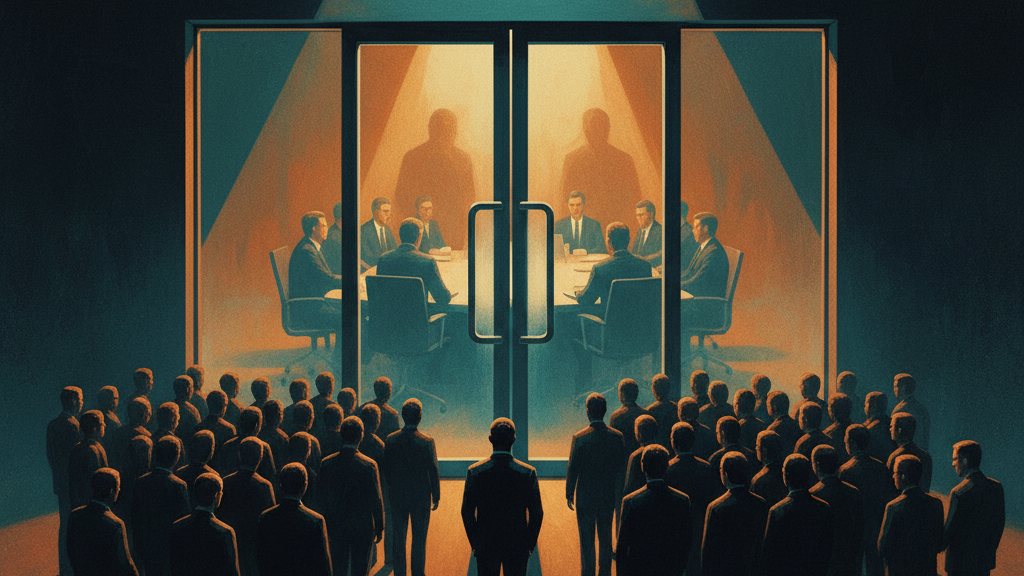
While the majors turned their AI lawsuits into licensing revenue, a second legal front opened underneath them — filed not against the AI companies alone, but in one case against the labels themselves. The plaintiffs: the independent and working musicians whose recordings helped train the models, and who say the settlements gave them nothing.
The claims
Independent artists, songwriters and producers have brought federal class actions against both Suno and Udio, seeking disclosure of training data and compensation, and arguing — in the filings' words — that the artists "whose rights have been trampled the most" remain "excluded from the table, unrepresented, and without a meaningful remedy." A judge has already refused to dismiss one indie artist's proposed class action against Suno, clearing AI-output and stream-ripping claims into discovery.
In July, the American Federation of Musicians escalated further, suing Universal and Warner directly — arguing the labels' settlements protected label revenue while the musicians whose recordings actually built the models got nothing. Notably, Suno's newest courtroom opponent includes counsel who fought the tobacco industry to a quarter-trillion-dollar settlement, per Music Business Worldwide.
Why this matters beyond the courtroom
The question underneath every filing is the industry's oldest one wearing new clothes: when music generates money, who gets paid? It's also the question any marketplace has to answer structurally, not rhetorically. Starchild's answer is the model itself: songs are listed by their rights holders, writers share in every license sold, credits down to PRO and IPI print on every certificate — and nothing uploaded here trains anything, ever.
Sources
- Music Business Worldwide — Suno and Udio hit with class actions from independent artists
- Music Business Worldwide — Judge refuses to dismiss indie artist's proposed class action against Suno
- MusicNews — Independent musicians join class actions against Suno and Udio
- Music Business Worldwide — Suno's latest legal opponent fought the tobacco industry