Exclusive Licensing
Buying Song Rights: What You Can Actually Buy
By the Starchild Music team · October 5, 2026 · 6 min read
The short answer
You can't buy 'a song' — you buy specific rights to it: a recording license (your version, from $30), a royalty-free buyout (use without ongoing royalties, $99 where offered), an exclusivity window ($60–$150 for 3–12 months of the song leaving the market), or — rarely and expensively — the copyright itself. Ninety-nine percent of the time, the right you actually need costs a fraction of what you feared, because you're buying the slice you'll use, not the whole pie.
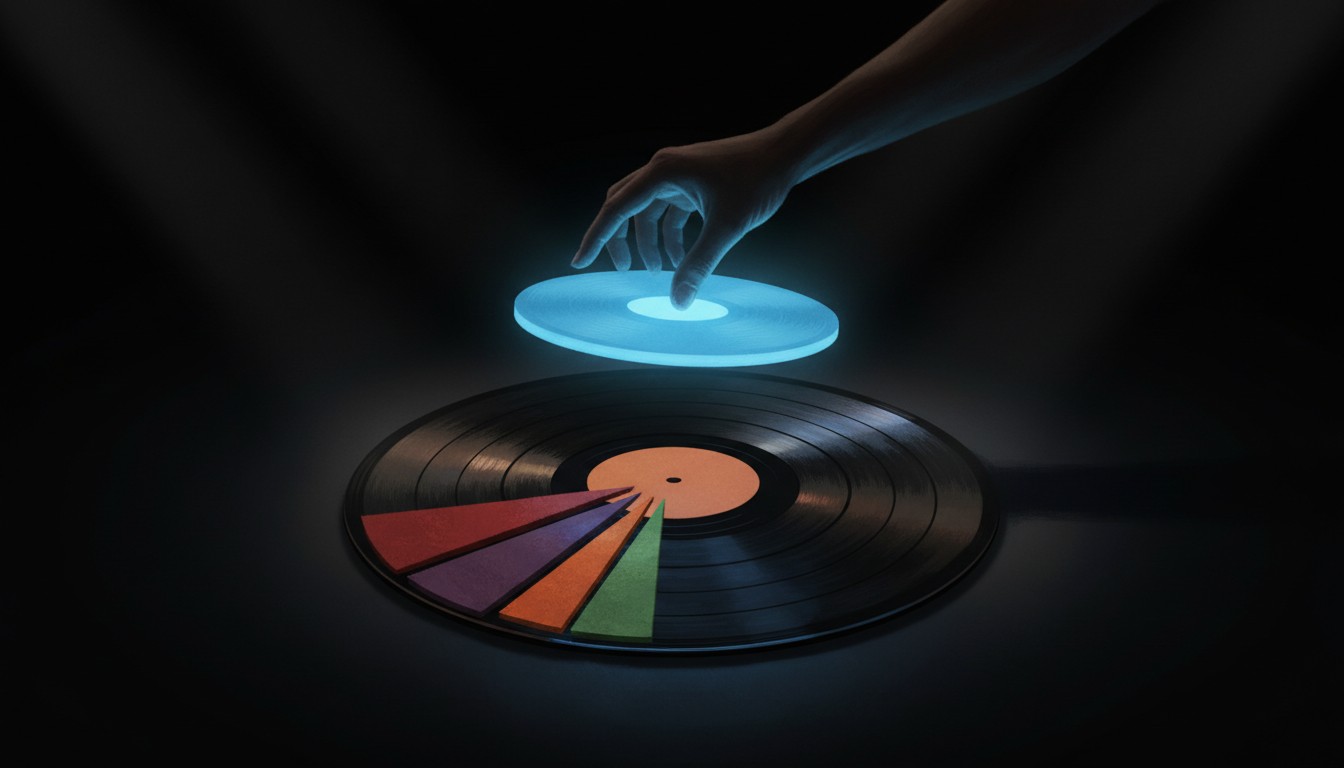
People arrive at 'I want to buy the rights to a song' with wildly different needs — an artist who wants to record it, a brand that wants to use it, a singer who wants nobody else touching it for a year. The music business answers all of them the same way: rights come in slices, priced by the slice. Knowing which slice you need is the entire game, because the gap between slices is enormous.
Slice one: the right to record it
A recording license grants you your own version — record it, release it, monetize your recording, with the writers credited as writers. On Starchild this starts at $30, $50 with the instrumental, $60 for personalized productions in different styles. What it doesn't grant: stopping anyone else from also licensing the song, or using someone else's recording of it.
Slice two: use without royalties
A royalty-free buyout adds perpetual, royalty-obligation-free use — the slice creators and businesses usually mean when they say 'buy the song.' Where the writer offers it, it's a one-time $99 on top of a base license: your videos, your podcast, your campaigns, covered once, forever. The writer keeps authorship; you stop thinking about accounting.
Slice three: exclusivity
An exclusive license is the slice possessive buyers actually want: the song leaves the marketplace for your term — nobody else can license it while it's yours. On Starchild that's $60 for 3 months, $100 for 6, $150 for 12, renewable — an artist protecting a single's runway buys the window that matters instead of the copyright they don't need (what happens when an exclusive expires covers the lifecycle).
Slice four: the copyright itself
Buying a song outright — the copyright, all future income, the writer's name off the ledger — happens, but rarely and expensively, because you're buying every future license the song would ever earn. Catalogs trade this way in eight-figure deals; individual buyers almost never need it. If your goal is 'my version, protected, mine to monetize,' slices one plus three deliver it for under $200 — which is why 'can I buy the rights?' usually ends with 'yes, the part you need, today.'