Adaptive Music
Why Smart Artists Audition Songs in Multiple Genres
By the Starchild Music team · October 2, 2026 · 5 min read
The short answer
Auditioning a song across genres reveals what the song actually is: hooks that survive a style flip are structural, not production tricks — and the strongest signal a song will work as YOUR record. Multi-genre auditioning also surfaces songs the demo hid from you (a 'country ballad' that's secretly your synth-pop single) and turns one 7,000-song catalog into ten times the options.
Play a song in one style and you learn whether you like that production. Play the same song in five styles and you learn something better: what the song is made of. The style-flip isn't a party trick — it's the most honest stress test an unfamiliar song can take, and artists who use it deliberately are auditioning at a different level than artists who don't.
Hooks that survive the flip are real
Some choruses hit because the drop hits — take away the production and there's no song underneath. Others hit in the country reading and the electro cut and the acoustic version, because the hook is built into the melody's physics: the interval jump, the rhythmic snap, the line you can't stop finishing. When a hook survives every outfit you put it in, that's a structural hook — and structural hooks are what still work when the song becomes your record, in your style, with your voice.
The demo genre is a costume, not a category
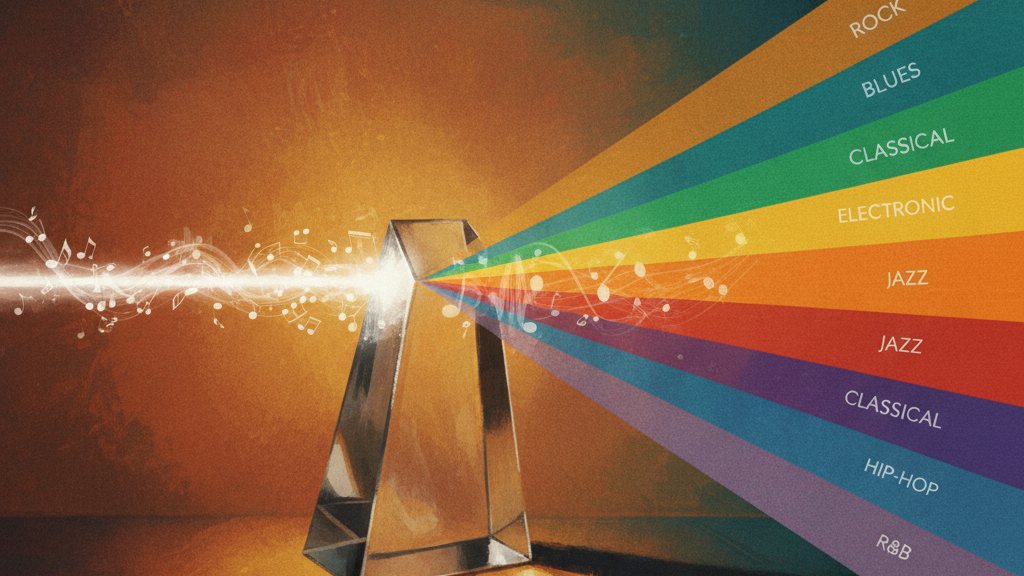
Catalogs traditionally file songs by how the demo was produced, which means artists browse by costume. Flip that: some of the best licensing finds are cross-genre discoveries — the "country ballad" whose chords were always synth-pop, the "rock song" that becomes devastating as a stripped piano piece. Adaptive production un-files the catalog: every song is effectively listed in ten genres at once, and the artist willing to audition outside their aisle shops a catalog ten times the size.
How to run the test
- First pass in your home genre — does the song belong in your world at all?
- Second pass two genres away — does the chorus still demand attention with different clothes on?
- Third pass stripped (acoustic/piano style) — is there a song when the production stops helping?
- Set your key and tempo before judging: a song tested outside your range fails for the wrong reason
- A song that passes all three passes is licensable with unusual confidence — that's a bones-deep yes
The deeper reason: your version is a genre flip too
Here's the logic that ties it together. Recording a licensed song always means translating it into your sound — every cover, every outside cut in history was a style transfer. Multi-genre auditioning is a preview of exactly that translation. If the song thrives across the catalog's ten renditions, it will survive an eleventh: yours. That's why the flip test predicts finished records better than any amount of demo-listening ever did — it's a rehearsal of the transformation you're about to perform.