Exclusive Licensing
What Songwriters Should Weigh Before Offering a Song as an Exclusive
By the Starchild Music team · October 24, 2026 · 5 min read
The short answer
An exclusive pays more for one license, but the song is withdrawn from the marketplace for the term, so you give up other sales. It makes the most sense for songs that have not been selling much, for songs a buyer values for being unique, and when your co-writers agree. Keep the term short and read the paperwork.
Artists buy exclusives, and songwriters decide whether their songs can be sold that way. If you write songs for licensing, the offer is worth a plain look at both sides.
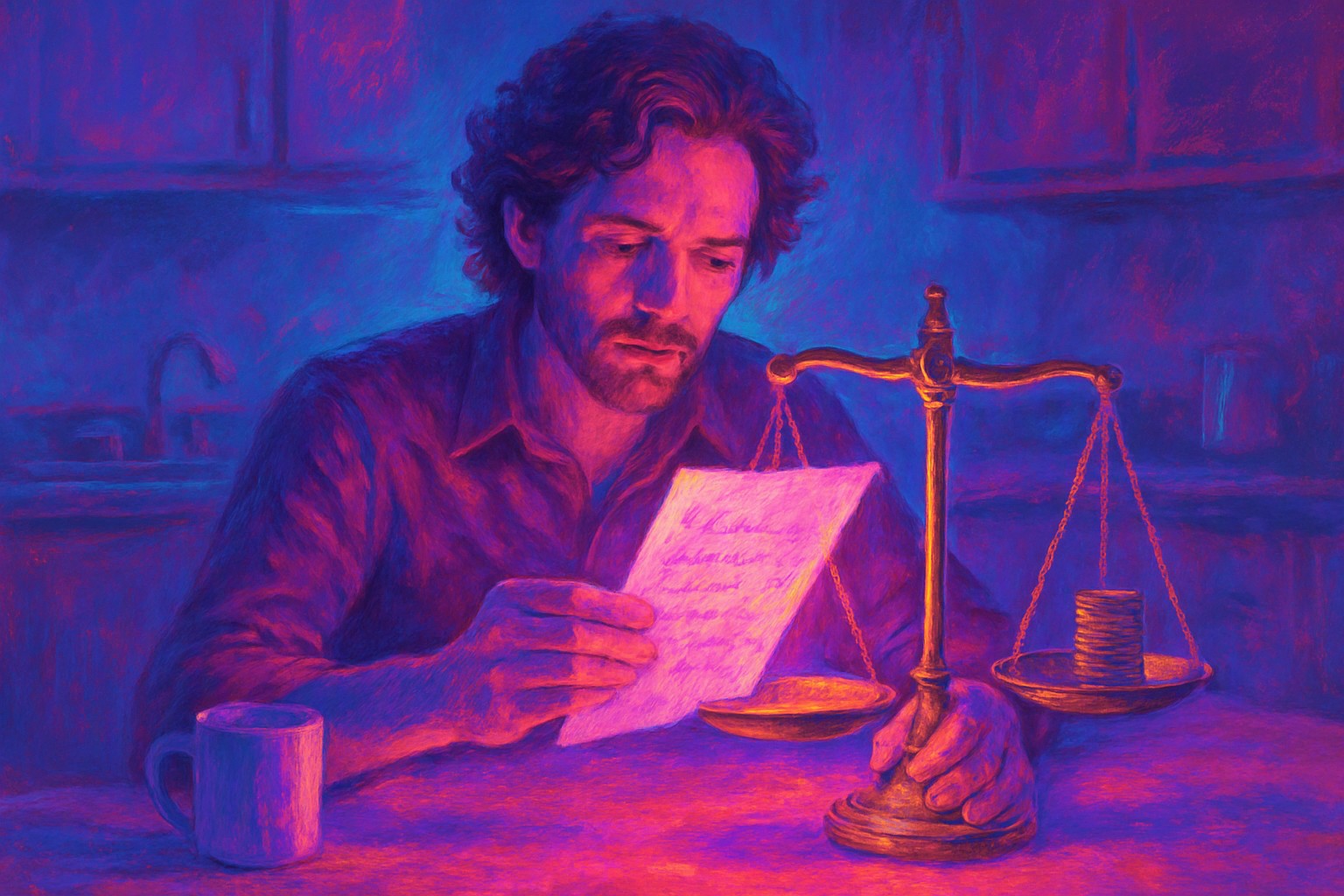
An exclusive is a trade. You accept a higher single payment and a pause on other sales, and what matters is whether that trade favors this song.
What you give up, and what you keep
During the term the song is withdrawn from the marketplace. No one else can license it while it is away, which is the point of the product.
Starchild exclusives cost the buyer $60 for 3 months, $100 for 6 months or $150 for 12 months. For comparison, a Song License is $30. So a 3-month exclusive is priced like two regular licenses. If the song would sell more than twice in those three months, the exclusive is the weaker deal. If it has sold rarely, it may be the better one.
You earn 50% of each sale minus payment fees, on exclusives and regular licenses alike.
You keep your rights. Earlier non-exclusive licensees keep theirs too, and Starchild licenses are perpetual. So an exclusive never reaches back to cancel something already sold.
That cuts both ways. A song with many earlier licensees is a weaker exclusive, because the artist is buying a quieter window than the word suggests. We cover that in what an exclusive can and can't promise.
What the wider industry says
Berklee's Music Licensing 101 roundup quotes Willis Knerr, who says a non-exclusive license "is typically the best option" because it gives more chances for the music to be used "without locking you in." He adds that limited-term exclusivity is worth considering when a buyer wants something iconic. "You'll have to decide, based on the situation, what's good value for your music at that time."
CD Baby's guide to library deals notes that exclusive arrangements can let a library secure higher fees, because the content cannot be licensed anywhere else. It also warns that terms can lock in. It says there is often a small window "every 1-2 years" to give notice of termination.
Those are library and sync deals, a different thing from a fixed-length license, but the same lesson applies. Know when you can get your song back.
The paperwork
Under U.S. copyright law an exclusive license is treated as a transfer, and the Copyright Act says that such a transfer must be "in writing and signed by the owner of the rights conveyed." So an exclusive should always be documented, not agreed by message.
The Digital Media Law Project advises owners to "specifically carve out any rights" they want to keep. With a fixed term, read it for the start date, the end date and what, if anything, is renewable.
Songs that tend to be good candidates
Songs that are selling steadily as regular licenses are usually better left as they are.
Treat the list as a prompt, not a rule. You know your catalog and your goals, and the same song can be a good candidate one season and a poor one the next.
- A song that has been listed for a while with few sales. An exclusive turns a quiet song into a real payment.
- A song a particular artist has asked about. Their interest signals value.
- A seasonal song, where a buyer wants the holiday window to themselves. See our piece on a holiday single.
- A newer song you are unsure about, offered for a short 3-month term as a test.
Questions to settle first
If you want to see how Starchild songwriters earn, the sell songs page explains the dashboard and Stripe payouts. Content Partner membership is $7.95 a month, and withdrawals to your bank are available once your balance reaches $50.
Write your answers down for each song you consider. A short note beside the title, such as 'ok for 3 months, no more', saves you from deciding again each time a buyer asks.
- Do all co-writers agree to an exclusive? Settle it before you offer.
- Is the song already registered with your PRO and the right splits entered?
- Does the term length match how long you can afford to pause sales?
- Is anything planned, such as your own release or a pitch, that the pause would block?
A worked comparison
Take a song that has sold twice in the past six months as a $30 Song License. That is $60 in buyer payments over six months, from which you earn 50% minus payment fees.
Now suppose an artist offers a 6-month exclusive at $100. That is more than the song earned in the same stretch, and it comes from one buyer who will promote the song.
Change the numbers and the answer flips. If the song sells every month, the exclusive pauses a steady stream. The point is not that exclusives are good or bad. It is that you can do this sum for each song in two minutes.
An exclusive tends to bring a more engaged buyer. They paid more, they planned around your song, and they have reason to credit you well. That can lead to a stronger release and a link back to your catalog.
It can also go the other way. If a buyer wants an exclusive and you say no, they may simply pick another song. Neither choice is wrong. Knowing what you want from each song is the part that matters.
Sources
- Berklee: Music Licensing 101, How to Sync Your Music
- CD Baby DIY Musician: What to Know About Music Libraries and Sync Licensing
- U.S. Copyright Office: Title 17, Chapter 2, Copyright Ownership and Transfer (Sections 203 to 205)
- Digital Media Law Project: Creating a Written Contract to Transfer or License Rights Under Copyright